MEOPA, or equimolar mixture of oxygen and nitrous oxide, is a gas used to reduce anxiety and make medical or dental care easier for children. The mixture contains 50% oxygen and 50% nitrous oxide, inducing a rapid, reversible state of relaxation without loss of consciousness.
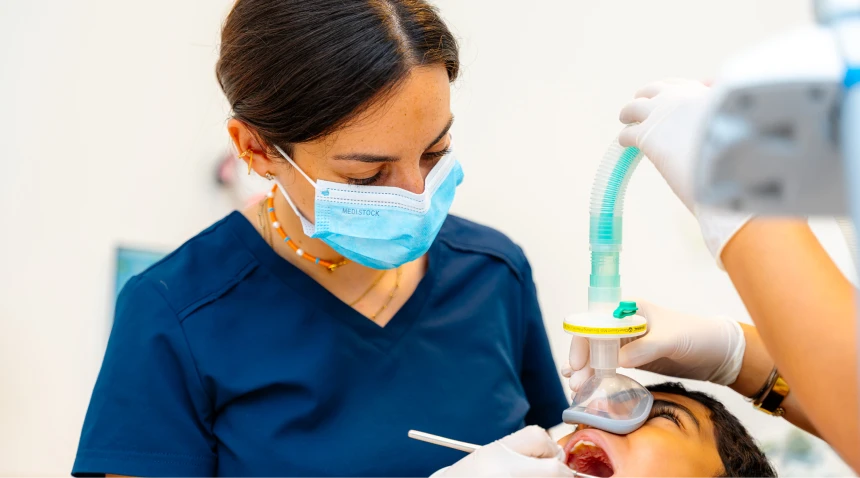
It is administered through simple inhalation, using a nasal mask adapted to the child’s size.
In a dental setting, MEOPA is a valuable tool to help anxious or phobic young patients. It promotes cooperation without resorting to deeper sedation.
Thanks to its anxiolytic and analgesic properties, MEOPA reduces pain perception, eases fear, and allows for more peaceful dental care.
The role of MEOPA in managing young patients
Some children experience intense fear at the thought of visiting a healthcare professional. This apprehension may stem from previous experiences, stories they have heard, or simply the unfamiliar environment. When this anxiety prevents care from being carried out, MEOPA becomes a relevant and effective option.
MEOPA helps create a calmer atmosphere for the child. It does not induce sleep but alters sensory perception — sounds seem more distant, gestures feel gentler, and time appears to pass more quickly. The child remains awake and aware but feels deeply relaxed. This mild sedation encourages cooperation and reduces physical tension.
The use of MEOPA does not replace the relationship of trust between the child, parents, and dentist. It forms part of a broader approach based on kindness, attentive listening, and respect for the child’s pace.
Indications for MEOPA in pediatric dentistry
In pediatric dentistry, MEOPA is used in several well-defined situations, such as:
- Dental care for highly anxious or phobic children
- Treatment of deep cavities requiring longer procedures
- Endodontic treatments on primary teeth
- Tooth extractions, especially when multiple teeth must be removed
- Complex cleanings or gum treatments requiring precision
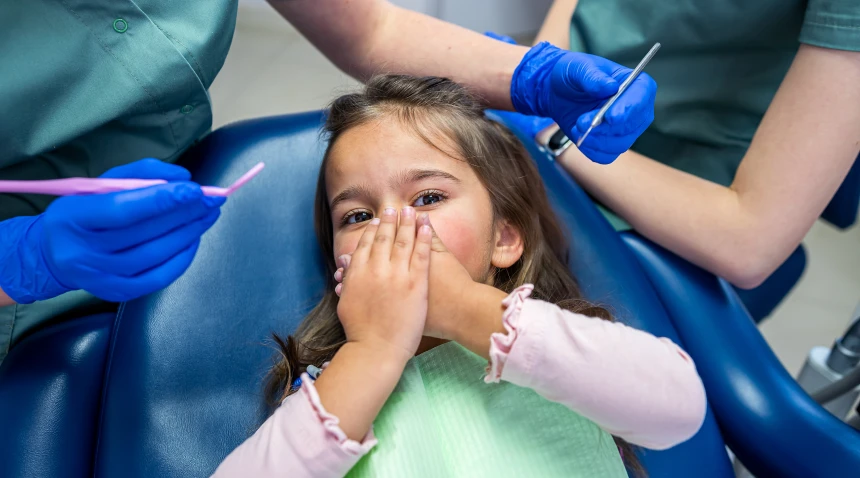
The dentist always assesses each case before recommending MEOPA, taking into account the child’s age, anxiety level, treatment type, and previous experiences. The goal is always to create a positive dental experience, even when the treatment is technical.
How a MEOPA-assisted dental session works
MEOPA administration follows a specific protocol. Before the session, the dentist explains the process to the child, shows them the mask, and answers any questions. This preparation reassures the child and encourages cooperation.
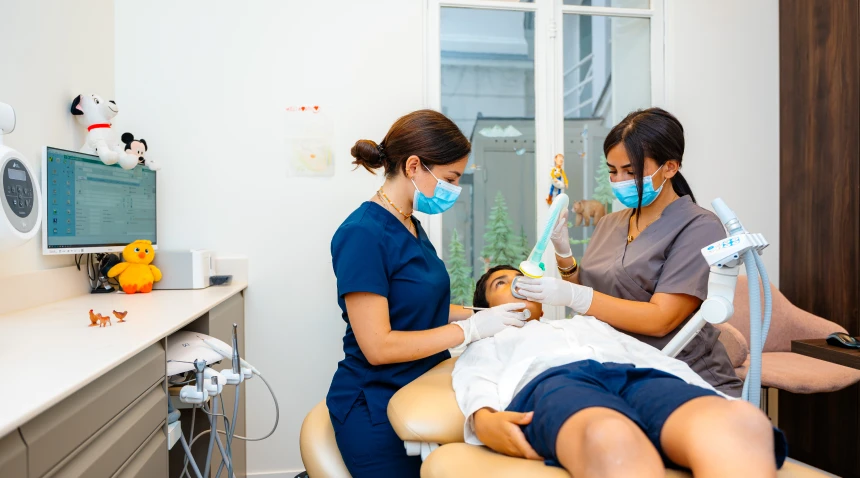
The nasal mask is then gently positioned. The child begins to inhale the gas for a few minutes, soon feeling lightness, mild tingling in the fingers or around the mouth, and a sense of calm detachment.
Treatment begins once the child reaches a sufficient level of relaxation. Throughout the procedure, the dentist maintains communication while monitoring breathing and comfort.
When the treatment ends, the mask is removed, and the child breathes room air or pure oxygen for a few minutes. The effects of MEOPA wear off quickly.
Most children can leave the clinic without side effects and resume normal activities later the same day, although intense physical activity should be avoided right after the session.
Contraindications and precautions
Although MEOPA is a very safe technique, there are situations in which it should not be used. It is contraindicated in cases of:
- Significant nasal obstruction (cold, sinus infection)
- Acute, unstable respiratory disorders
- Recent head injury
- History of pneumothorax or emphysema
- Clear refusal from the child despite preparation
The dentist always evaluates these factors beforehand. If the child cannot breathe properly through the nose or refuses to wear the mask, MEOPA will not be administered.
While MEOPA is generally well tolerated, mild temporary effects may occur, such as nausea, dizziness, dry mouth, or a sensation of warmth. These symptoms disappear quickly once inhalation stops.léré, quelques effets transitoires peuvent apparaître : nausées, vertiges, bouche sèche ou impression de chaleur. Ces sensations disparaissent rapidement après l’arrêt de l’inhalation.
MEOPA and the relationship of trust
Using MEOPA never replaces the importance of human connection. Treatment always begins with a warm welcome, attentive listening, and clear, simple explanations. The dentist speaks directly to the child, involves them in the process, and respects their reactions.
When children understand what will happen and feel supported, they are more likely to accept treatment calmly. MEOPA then becomes a complementary tool that enhances comfort and security throughout the session.
Parents also play a key role — their calm tone, reassuring attitude, and confidence in the dental team directly influence the child’s experience. Preparing the child beforehand with simple, positive words helps ensure a smooth and reassuring visit.
FAQ – MEOPA
- Does MEOPA put the child to sleep?
No, MEOPA does not cause sleep. It induces a state of relaxation while maintaining consciousness. The child can speak, hear, and respond throughout the procedure. - Can MEOPA be used at any age?
MEOPA can generally be used from around age 3 or 4, depending on the child’s ability to breathe through the nose and follow instructions. Before this age, cooperation can be more difficult, but some children can tolerate the mask well if gently prepared. - Is MEOPA safe for children?
Yes, MEOPA is recognized for its safety when administered under controlled conditions. Its effects disappear within minutes after inhalation stops. The dentist always ensures the child tolerates the gas before beginning treatment. - Will the child remember the procedure?
Yes, MEOPA does not erase memory. The child remembers the treatment but usually perceives it as less unpleasant, often keeping a neutral or even positive impression, which helps improve future dental experiences. - Is fasting required before using MEOPA?
In general, it is recommended not to eat for about two hours before inhalation to minimize the risk of nausea. A light snack may be allowed depending on the child’s age and the duration of treatment.
Book a pediatric dental appointment in Paris 16
The Cabinet dentaire Mirabeau, located in Paris 16, provides gentle, child-centered dental care in a calm and reassuring environment. When necessary, the team may use MEOPA to help children relax during treatment. This approach is part of a comprehensive philosophy based on kindness, understanding, and trust.
You may also like: Cavity treatment

